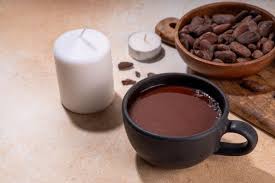
For centuries, cocoa has held a special place in ceremonies and rituals across various cultures around the world. From Mayan and Aztec traditions in Mesoamerica to the elaborate tea ceremonies in Japan, cocoa has been used not just as a beverage but as a sacred offering and symbol of unity.
In this article, we will explore the significance of ceremonial cocoa and its role in different cultural practices. We will delve into the history of cocoa as a ceremonial ingredient, its spiritual meanings, and the various ways in which it is prepared and consumed during these rituals.

The History of Ceremonial Cocoa
Cocoa has a rich history dating back centuries, where it was highly revered and used in ceremonial contexts across different cultures. In Mesoamerica, the Mayans and Aztecs considered cocoa as a divine gift from the gods. They used it in rituals and ceremonies, believing it had spiritual powers and connected them to the supernatural realm. The elaborate preparation of cocoa beverages was a sacred process, involving special tools and meticulous attention to detail. Today, ceremonial cocoa continues to be an important part of various cultural practices, symbolizing unity, respect, and reverence.
Spiritual Meanings of Ceremonial Cocoa
In many cultures, ceremonial cocoa holds deep spiritual meanings beyond its physical properties. It is often seen as a bridge between the earthly and spiritual worlds, symbolizing harmony and balance. The act of consuming cocoa during rituals is believed to bring about a sense of communion with nature, ancestors, and the divine. The preparation and sharing of ceremonial cocoa create a sacred space for community bonding and reflection. Each sip of the rich, aromatic beverage is a moment of gratitude and connection to something greater than oneself. Experience the transformative power of zeremonieller kakao in your own ceremonial practices, embracing its sacred essence and profound symbolism.
Ceremonial cocoa continues to be a revered tradition in various cultural practices, embodying unity, respect, and reverence. The rich history of cocoa as a sacred offering in Mayan and Aztec rituals highlights its spiritual significance and connection to the supernatural realm. Beyond its physical properties, ceremonial cocoa symbolizes harmony and balance, serving as a bridge between the earthly and spiritual worlds. The act of consuming this sacred beverage during ceremonies fosters communion with nature, ancestors, and the divine, creating a space for reflection and community bonding. Each sip of ceremonial cocoa is a moment of gratitude and connection to something greater than oneself, encapsulating the transformative power and profound symbolism of this ancient tradition.