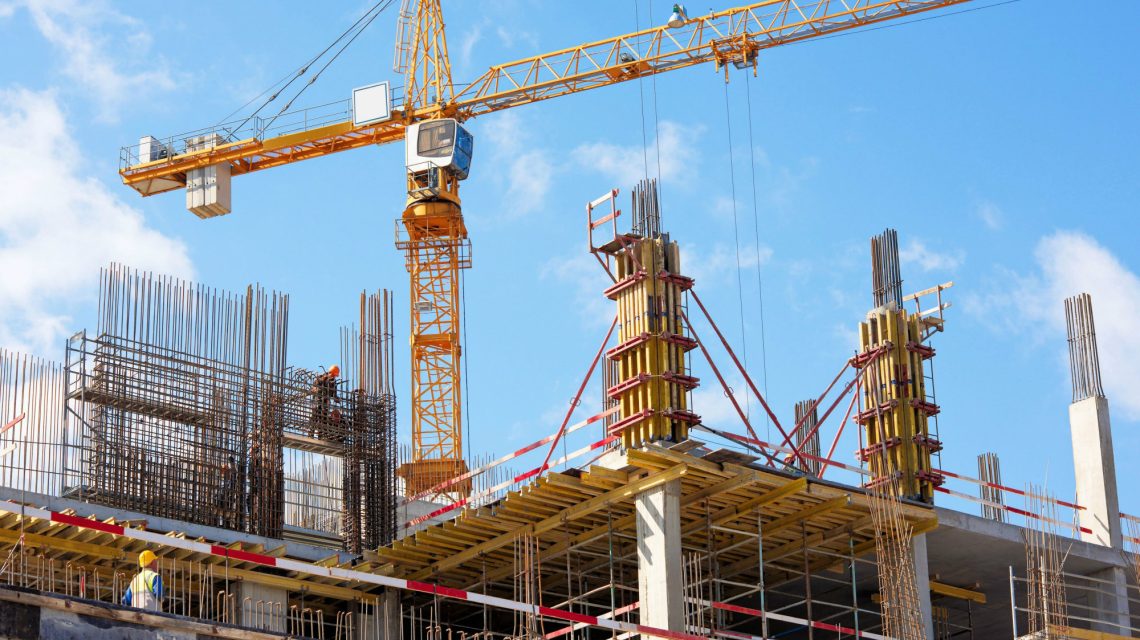
Construction contractors play a pivotal role in the success of any building project. From residential homes to commercial complexes, these professionals oversee every aspect of the construction process, ensuring that projects are carried out safely, efficiently, and within budget. With their extensive knowledge and expertise, construction contractors coordinate various skilled workers, manage timelines and budgets, and ensure that all necessary permits and regulations are adhered to. They act as a bridge between architects, engineers, suppliers, and clients, ensuring that the project is executed smoothly from start to finish. In this article, we will delve into the world of construction contractors, exploring their responsibilities, qualifications, and the key role they play in the construction industry.
Construction contractors are responsible for overseeing all aspects of a building project, from the initial planning and design stages to the final completion and handover. They work closely with clients to understand their needs and vision for the project, translating them into practical plans and ensuring that they align with local building codes and regulations. Once the plans are finalized, contractors carefully select and manage subcontractors, such as carpenters, electricians, and plumbers, coordinating their schedules and overseeing their work to maintain quality standards. They also handle procurement of materials and equipment, ensuring that all necessary resources are available at the right time. The success of any construction project depends greatly on the knowledge, skills, and organization of the contractor overseeing it.
The Role of Construction Contractors in Retail Projects
Construction contractors play a crucial role in the successful completion of retail projects. When it comes to retail construction, there are specific considerations that must be taken into account to create a space that is functional, aesthetically pleasing, and conducive to customer experience. Retail general contractors understand the unique requirements of retail spaces and can effectively translate the vision of the client into a physical store.
Retail general contractors have experience in working with various types of retail establishments, such as boutiques, shopping malls, and department stores. They are well-versed in the specific codes and regulations that govern retail construction, ensuring that the project complies with all safety and accessibility standards. From the layout of the store to the placement of fixtures and fittings, these contractors carefully plan every aspect of the project to optimize traffic flow and enhance the overall shopping experience.
In addition to managing the construction process, retail contractors also collaborate with architects, designers, and suppliers to coordinate various design elements. They work closely with store owners to understand their branding requirements and create a space that reflects their unique identity. Retail contractors also have expertise in sourcing materials that are durable, cost-effective, and aligned with the client’s budget.
The success of a retail construction project depends on the skills and knowledge of the contractor overseeing it. Experienced retail general contractors have extensive networks within the industry, allowing them to select skilled subcontractors who specialize in retail construction. These contractors also have a deep understanding of project timelines and budgeting constraints, ensuring that the project is completed on time and within budget.
Whether it’s creating a flagship store or renovating an existing space, retail general contractors bring valuable expertise to the table. Their ability to oversee every aspect of the project, from initial planning to final handover, ensures that a retail space is not only visually appealing but also functional and conducive to business success.
Construction contractors play a crucial role in the successful completion of retail projects. When it comes to retail construction, there are specific considerations that must be taken into account to create a space that is functional, aesthetically pleasing, and conducive to customer experience. Retail general contractors understand the unique requirements of retail spaces and can effectively translate the vision of the client into a physical store.
Retail general contractors have experience in working with various types of retail establishments, such as boutiques, shopping malls, and department stores. They are well-versed in the specific codes and regulations that govern retail construction, ensuring that the project complies with all safety and accessibility standards. From the layout of the store to the placement of fixtures and fittings, these contractors carefully plan every aspect of the project to optimize traffic flow and enhance the overall shopping experience.
In addition to managing the construction process, retail contractors also collaborate with architects, designers, and suppliers to coordinate various design elements. They work closely with store owners to understand their branding requirements and create a space that reflects their unique identity. Retail contractors also have expertise in sourcing materials that are durable, cost-effective, and aligned with the client’s budget.
The success of a retail construction project depends on the skills and knowledge of the contractor overseeing it. Experienced retail general contractors have extensive networks within the industry, allowing them to select skilled subcontractors who specialize in retail construction. These contractors also have a deep understanding of project timelines and budgeting constraints, ensuring that the project is completed on time and within budget.
Whether it’s creating a flagship store or renovating an existing space, retail general contractors bring valuable expertise to the table. Their ability to oversee every aspect of the project, from initial planning to final handover, ensures that a retail space is not only visually appealing but also functional and conducive to business success.